Biohazard Cleanup for Homes and Apartments
For death, blood, crime or hoarding, cleaning is available in apartments, high-rise units, houses and condos, along with sewage cleanup.
Learn moreYou can call for calm, discreet biohazard cleanup at homes, rentals, businesses and vehicles in Ashburn.
Local population patterns, housing and site access may affect how containment and cleanup are planned.
A listed distance of 1.8 miles to OSF Little Company of Mary Medical Center gives a practical medical reference when someone has contacted blood or waste.
Families often arrive from Clarkdale, Forest Hill, and West Lawn. Agree on one meeting point and one entrance so the scene stays private.
Because this is a neighborhood within Chicago, cleanup access may depend on local parking, common entrances, or building management rules.
After crimes, deaths, accidents, a sewage backup or hoarding situations, biohazard cleanup means safe removal, disinfection and disposal of tissue, blood, bodily fluids and infectious or hazardous materials.
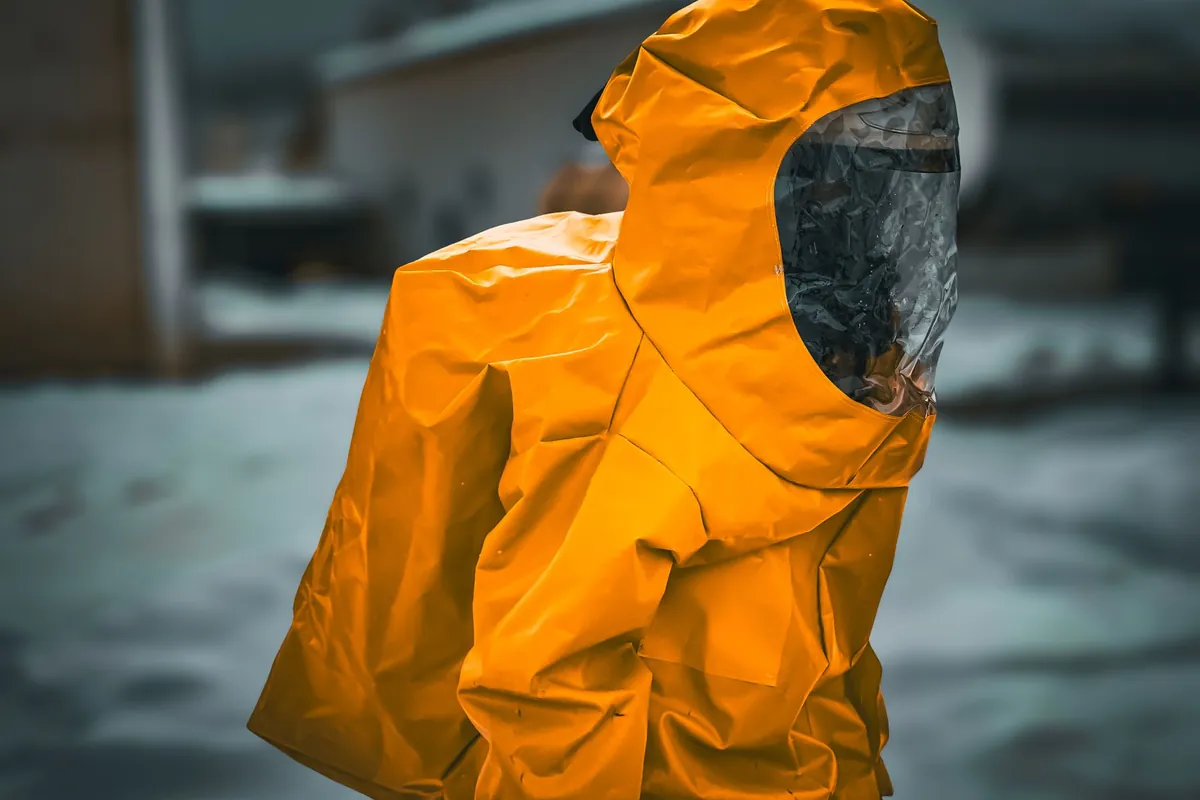
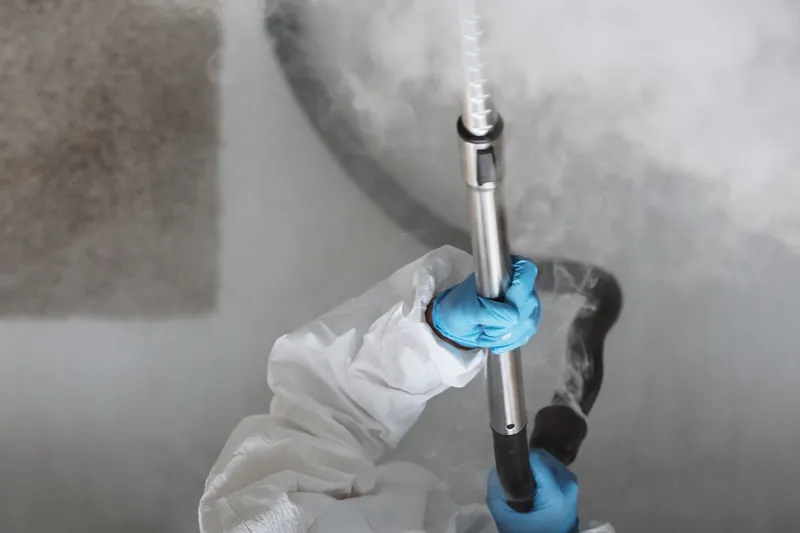
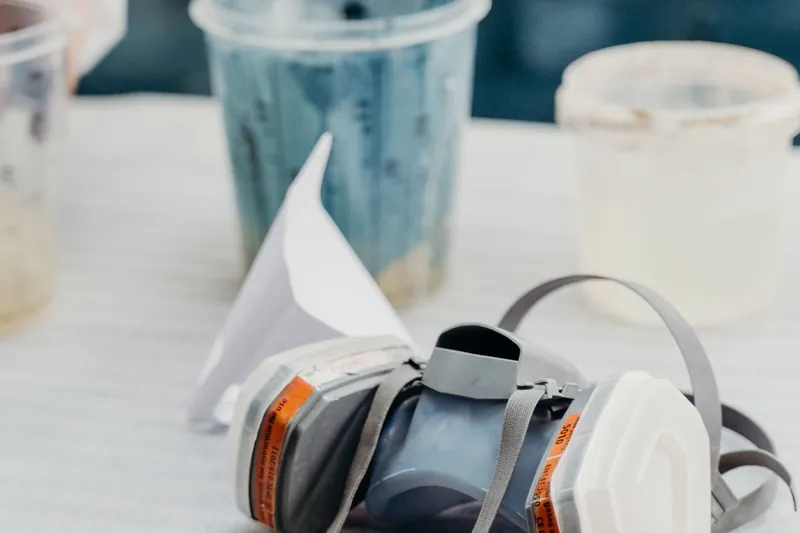
It is also called bio hazard cleaning, biohazard remediation, trauma cleanup or bio cleanup. Professional biohazard cleanup goes beyond ordinary deep cleaning. Using personal protective equipment, technicians trace every place contamination reached, remove porous items beyond disinfection, then restore affected areas to a livable condition.
Biohazard removal services in Ashburn and the surrounding areas cover crime scenes, traumatic events, hoarding, sewage and hazardous waste. Crime scene cleaners do the specialized cleaning that safe scene cleaning requires, from blood and fentanyl cleanup to odor control, with emergency response available day or night. The goal is respectful, compassionate service that helps restore safety to the home.
Calls for emergency service are taken around the clock, while unmarked vehicles keep the situation private from neighbors and building personnel.
You and your family receive care during a difficult time, without judgment about neglect or hoarding. Documents, keepsakes and photographs are saved for you.
Your insurance company, property owner or state victim program can receive the photos, waste paperwork and notes describing the scope.
You receive an explanation of the cleanup plan, every step involved and what can change the price ahead of any removal. Expect no pressure or surprises.
For death, blood, crime or hoarding, cleaning is available in apartments, high-rise units, houses and condos, along with sewage cleanup.
Learn more
Following break-ins, exposures, injuries or industrial accidents at commercial properties, you can arrange commercial biohazard cleanup around operating hours.
Learn more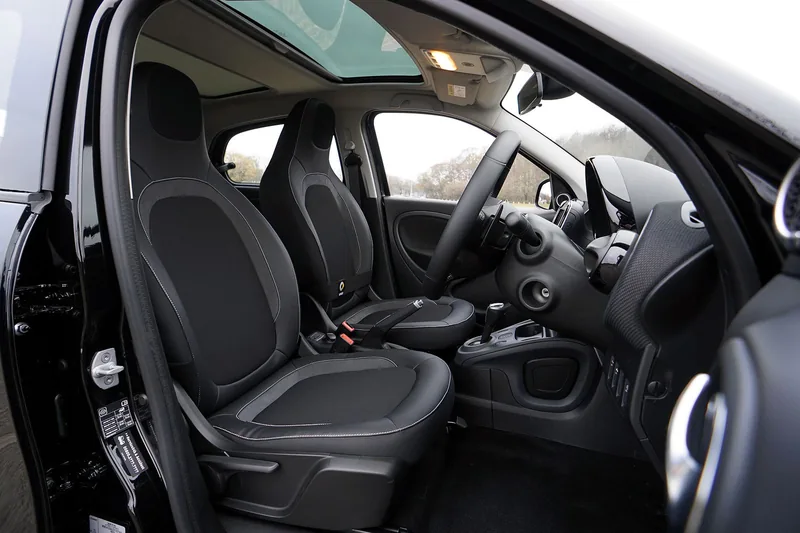
Vehicle biohazard cleanup removes bodily fluids, odor and blood from carpet, ventilation and seats.
Learn more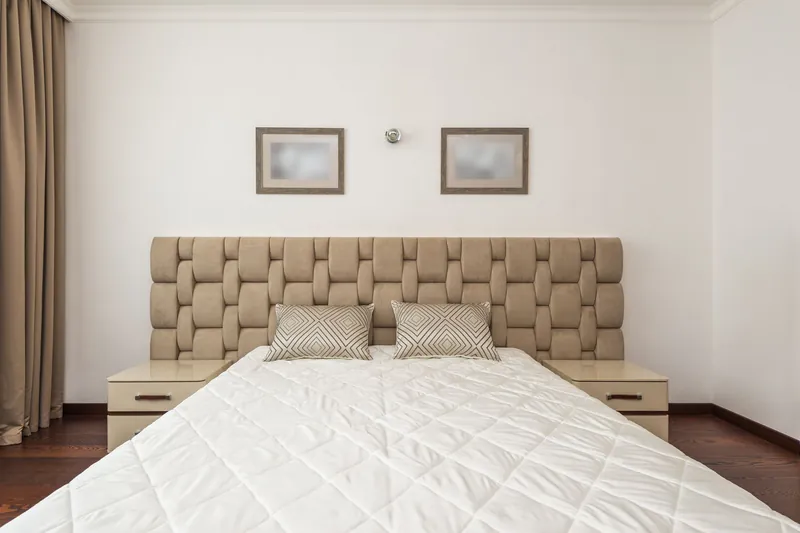
Cleanup gets a unit ready for rental use and includes records for the owner and insurer.
Learn moreChoose the cleanup page that fits your situation. If the right service is unclear, you can call for guidance.
For most people, this happens only once. Following the right opening steps helps protect your health while preserving your claim and cleanup cost.
Call (888) 440-9227The biohazard cleanup process follows the same safe order for every job, from the first call to the final inspection.
The caller describes what occurred. Technicians examine and photograph the area, then confirm the work scope with you.
The affected area is sealed off with plastic sheeting so contamination does not spread to other rooms.
After infectious materials soak into carpet, pad, drywall or similar porous items, the affected pieces are removed and sealed for medical waste, so no affected material is left behind.
Hospital-grade disinfectant registered by the EPA is applied after all surfaces are cleaned.
Air scrubbers, ozone or hydroxyl address odor where it begins, while vents receive inspection.
Tracking paperwork follows sealed waste to a permitted facility where medical waste is treated.
The space is inspected and, where appropriate, ATP tested to confirm a livable condition, and documentation and photos are prepared for your claim.
A contractor you choose, or one used by your insurance company, can restore flooring and drywall that were removed.
Fixr lists $3,000 to $5,000 as a typical national range for biohazard cleanup. Your price depends on the kind of job. Guides put minor blood cleanup at $500 to $2,500, with sewage backup work at $2,000 to $10,000. An on-site assessment determines the actual price.
Frequently, yes. Biohazard cleanup following a sudden incident, including a death, sewage backup or crime, is commonly covered by renters and homeowners policies, less your deductible.
The Illinois Attorney General's Crime Victim Services Division lists crime scene cleanup among the costs its compensation program can help offset, so victims of violent crime can ask about it. Insurance is usually checked first.
Death cleanup costs can often be covered by the estate. A family member or the estate executor normally manages this task.
The property manager or owner commonly coordinates and funds cleanup for a rented unit or common area.
Coverage usually applies to sudden, accidental events. Insurance commonly excludes neglect over time and hoarding. Contact your insurer ahead of any cleanup.
Call any hour. A cleanup specialist can explain the next steps for your property.
Biohazard cleanup can remain private. Workers come in unmarked vehicles, stay quiet and do not share information with nearby residents or property staff.
One to three days is a common window for sewage-related symptoms to appear, but some infections need more time. Avoid contact and keep children and pets away.
Many renters and homeowners policies pay for biohazard cleanup after a sudden incident, less the deductible. Slow neglect and hoarding are generally excluded from coverage.
Fixr lists $3,000 to $5,000 as a typical national range for biohazard cleanup. Minor blood cleanup is listed at $500 to $2,500, while a sewage backup is listed at $2,000 to $10,000.
Any biological substance capable of causing illness is a biohazard, including tissue, bodily fluids, blood, used needles, untreated sewage, human waste and animal waste.
You can reach someone by phone 24 hours a day, including during weekends and holidays.